
An illustrated Bible study
What Does Jesus Mean by “Do Not Worry”?
In this study
An unpaid bill, a change at work, or uncertainty about someone we love can make tomorrow feel very close. When Jesus tells His disciples not to worry, is He asking them to stop caring? Does trusting God mean making no plans? And if trouble still comes, has His promise failed?
Matthew 6:25–34 belongs to the Sermon on the Mount. Read the whole passage before beginning. Jesus speaks about real necessities, then teaches His hearers whose care they can depend on and what should come first in their lives. His words deserve more than a quick instruction to “cheer up.” They call us to place our everyday decisions under the rule of our heavenly Father.
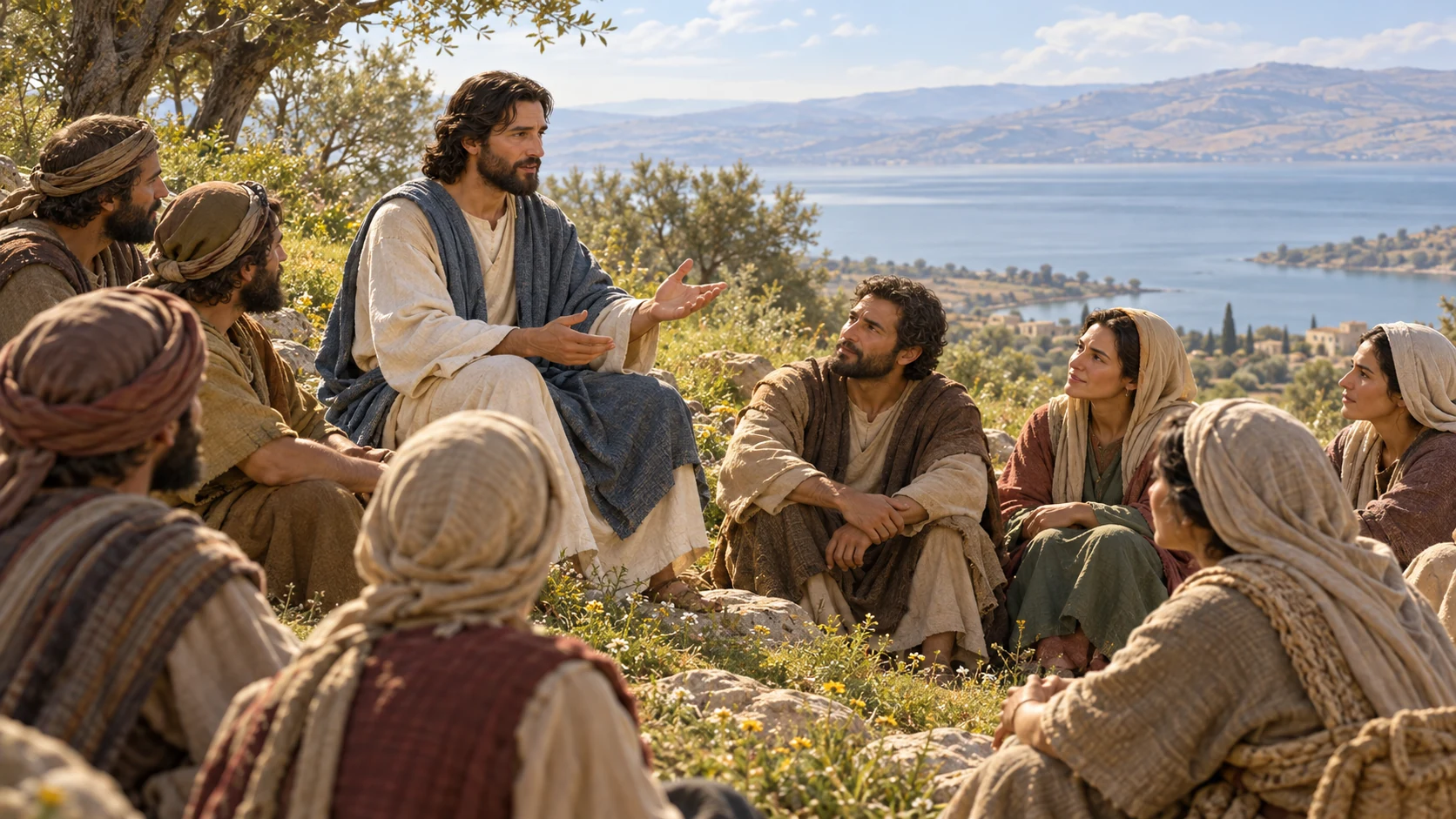
1. Why Jesus Begins with “Therefore”
Read Matthew 6:19–25.
The teaching about worry follows Jesus’ warnings about earthly treasure and serving two masters. In verse 24, He says that we cannot serve God and mammon. Money can be useful, but it cannot occupy God’s place. “Therefore” connects the next instruction to that choice of master.
Greed and worry can look very different. One person keeps reaching for more; another fears there will never be enough. Yet either concern can become the center around which every decision turns. Jesus redirects the disciple toward God rather than allowing material security to become the final authority.
His question about life being more than food does not make food unimportant. It reminds us that human life is larger than the things needed to sustain it. The One who gave us life has not overlooked what it takes to live. Our needs are real, but they do not define our entire purpose.

2. What the Birds and Flowers Teach
Read Matthew 6:26–30.
Jesus points to ordinary things His listeners could see: birds and field flowers. These are signs of the Creator’s attention to a world people often hurry past. The birds are fed, and the grass receives beauty no human wardrobe can manufacture.
Then He asks, “Are you not of more value than they?” (Matthew 6:26, NKJV). The argument moves from the lesser to the greater. If God attends to creatures and plants, His children have reason to trust His attention to them. The lesson concerns their Father’s character and their value to Him.
The birds do not illustrate a life without activity. They search for food. Jesus is not instructing people to sit still until supplies appear. Neither is He saying that birds never die or flowers never wither. He expressly mentions the grass’s short life. Creation displays God’s care within a passing world; it does not promise exemption from that world’s troubles.
3. What It Means to Seek First
Read Matthew 6:31–33; Matthew 7:21–24.
Jesus gives His hearers something to pursue: “But seek first the kingdom of God and His righteousness” (Matthew 6:33, NKJV). Seeking first means giving God’s reign priority. It reaches beyond attending a service or saying religious words. It involves learning and doing the Father’s will.
Suppose dishonesty could ease a financial strain. Seeking first means refusing to purchase relief through deception. Suppose fear tempts us to become harsh with our family. Seeking righteousness means choosing truthful, patient speech even while the situation remains unresolved.
The question becomes more than whether a decision makes us feel secure. We must also ask whether it honors the King we claim to serve. Jesus directs our loyalty before He addresses tomorrow’s outcome. We follow God because He is worthy of obedience, not because obedience gives us control over every circumstance.
4. What the Promise Does and Does Not Mean
Read Matthew 6:32–34; Philippians 4:11–13; 2 Corinthians 11:27.
“All these things” refers to the necessities Jesus has been discussing. It is not a promise of every purchase, promotion, or comfortable outcome we desire. The Father knows His children’s needs before they explain them to Him.
Read that assurance alongside the experience of faithful believers. Paul learned contentment in both abundance and need. He also described hunger, thirst, and cold during his ministry. We must not turn Jesus’ words into an accusation that a suffering Christian simply failed to believe enough.
Jesus Himself says that each day has its trouble. His instruction therefore cannot mean that faithful people will never face difficulty. We can trust the Father without claiming to know how every provision will come or how every trial will end. Sometimes receiving help from other believers is part of living in that trust. Galatians 6:2 commands Christians to bear one another’s burdens.
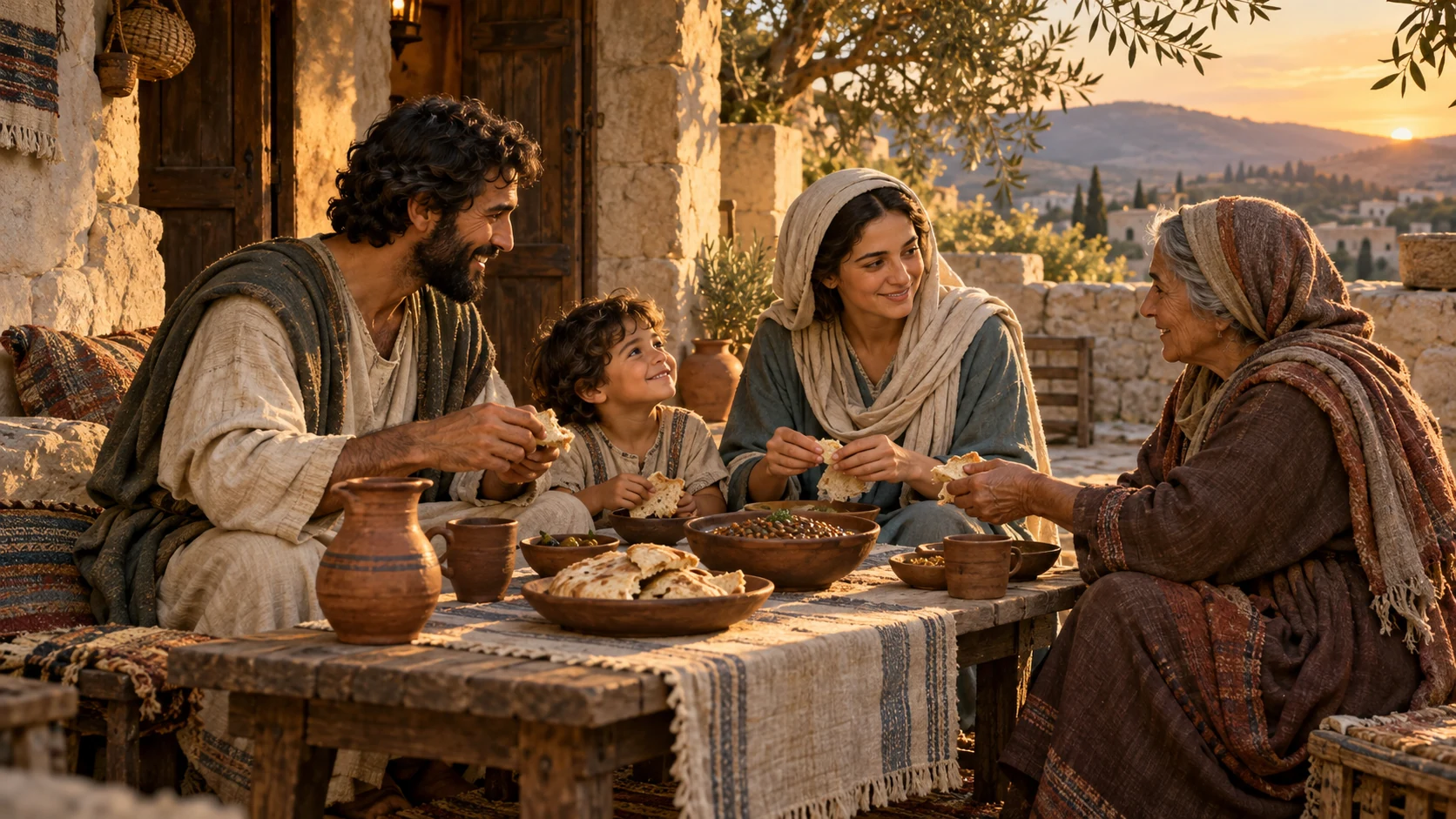
5. Trust Still Takes Responsibility
Read Proverbs 6:6–8; James 4:13–16; Ephesians 4:28.
Scripture commends the ant’s preparation, corrects arrogant planning, and instructs believers to work so they can share with people in need. Taken together, these passages leave room for careful preparation while rejecting the illusion that tomorrow belongs to us.
Making a budget, preparing for a responsibility, or asking for practical help does not contradict Matthew 6. James does not forbid plans. He challenges people who speak as if their future were guaranteed, without acknowledging dependence on the Lord.
We can act on what is within our responsibility without pretending everything is within our control. We can also become part of an answer to someone else’s need. If a brother or sister lacks necessities, James 2:15–16 will not let us substitute comforting words for practical assistance. Trust in the Father should make His children more attentive to one another.
6. Take the Next Faithful Step
Read Matthew 6:34; Philippians 4:6–9; 1 Peter 5:7.
Tomorrow can bring possibilities we cannot settle tonight. Jesus brings our attention back to the day we actually have. That does not erase future responsibilities. It keeps imagined outcomes from taking the place of present obedience.
Name one concern honestly in prayer. Thank God for specific mercies already received. Identify one useful action available today: a necessary conversation, an honest piece of work, a request for help, or assistance to someone carrying a burden. Leave room to receive support rather than believing faith requires carrying everything alone.
Philippians connects prayer with thanksgiving, disciplined attention, and practicing what has been taught. Peace is not described as knowing tomorrow’s events in advance. It is God’s guarding care as we turn toward Him in Christ. Struggling with fear is a reason to seek His help and the care of others, not a reason to hide.
Jesus invites us to live as children whose Father knows them. We may not know tomorrow’s circumstances. We can still choose whom we will serve today.
Questions for Reflection
- How does Matthew 6:24 help explain the teaching about worry that follows it?
- What do the birds and flowers reveal about God, and what do they not promise about earthly life?
- Where could seeking God’s kingdom first change a decision you are facing?
- How do Paul’s experiences keep us from treating material comfort as a measure of someone’s faith?
- What is one practical step you can take today, and whose burden could you help carry?
Images are AI-generated illustrations. The household scene is an imagined application, not a recorded biblical event. Scripture quotations are from the NKJV.
← All written Bible lessons