

Before we ask what a beast, a number, or a vision means, we should ask what Revelation says about itself. Its opening gives us a place to begin.
Read Revelation 1:1–3 slowly. Notice where the message comes from, whom it is meant to help, and what its hearers are called to do. Those questions will guide this series.
1. Begin with the opening
Read Revelation 1:1–3 in the NKJV ↗
Verse 1 identifies the message as the revelation of Jesus Christ. God gives it to show His servants what must take place, and it reaches John through an angel. Verse 2 describes John bearing witness to what he received and saw. The book presents itself as testimony from God, rather than John’s private speculation.
That changes our starting question. Instead of beginning with a prediction we want to prove, we begin with what God has communicated. We read the opening, follow the argument, and let the book establish its concerns.
The opening also describes the events as near. We must take that language seriously in relation to the people who first received it. It does not give us permission to calculate a date for Christ’s return. As we continue, we will examine each passage in its setting rather than assume every vision describes the same moment.
2. Remember the first readers
Read Revelation 1:4, 9–11 in the NKJV ↗
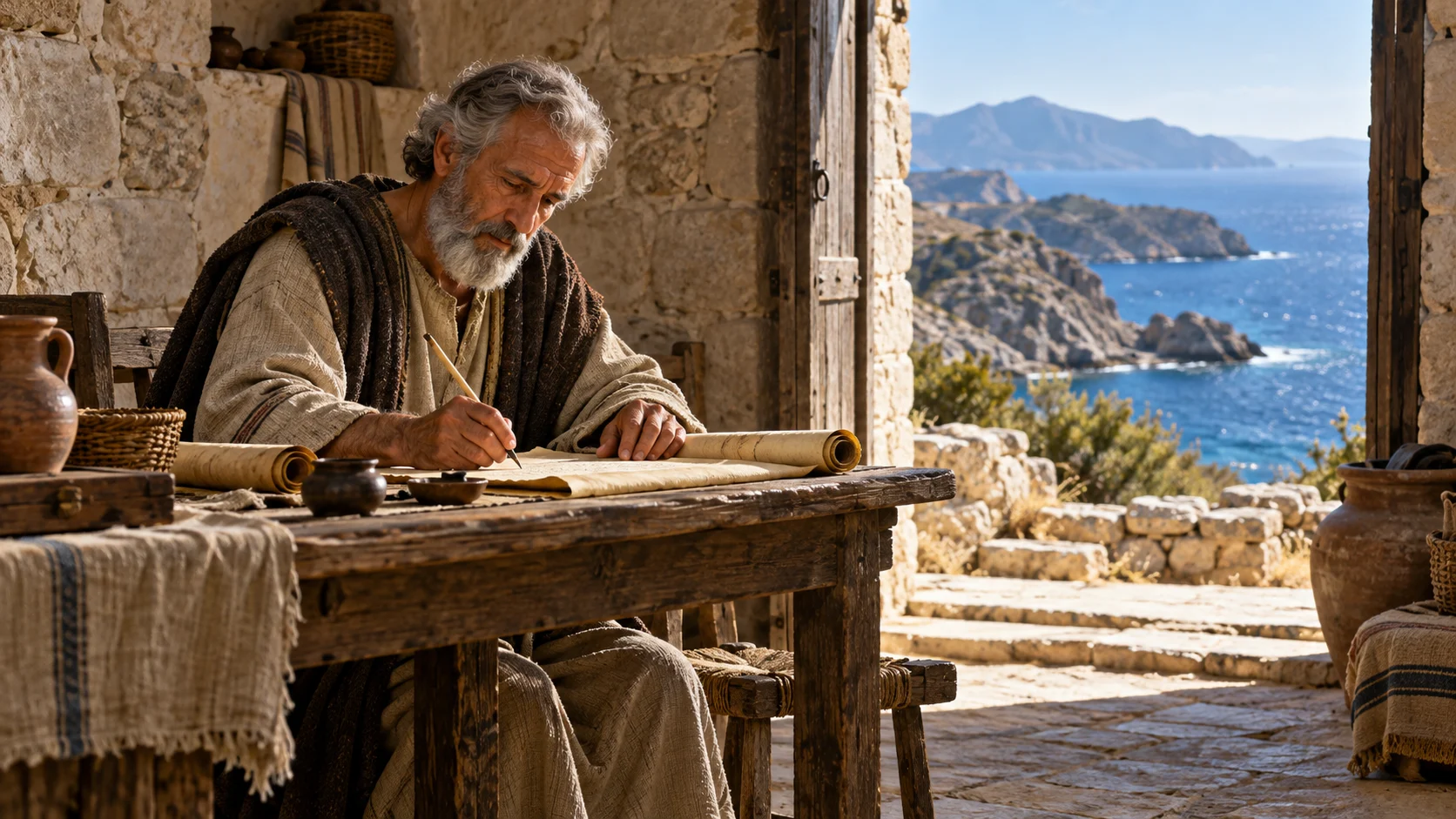
John addresses seven churches in Asia. These were actual congregations with actual needs. In verse 9, he describes himself as their brother and companion in suffering and patient endurance, and places himself on Patmos because of God’s word and his testimony about Jesus.
Revelation was meant to speak to those Christians. We should ask what its warnings and encouragement would have meant to them before trying to apply it to our own circumstances. The messages in chapters 2 and 3 make the personal nature of the book especially clear: Christ addresses love, faithfulness, compromise, repentance, and endurance.
The original setting does not make the book irrelevant today. It helps us hear it responsibly. A warning against compromising with evil still challenges us, even when our circumstances differ from those of the first readers.
3. Let Scripture explain its symbols
Read Revelation 1:9–20 in the NKJV ↗
Revelation communicates through striking visions. Figurative language can describe something real without being a literal photograph of it. A symbol calls for careful interpretation, not dismissal and not an unlimited range of guesses.
We find a useful example in the first chapter. John sees seven golden lampstands. In verse 20, the explanation is supplied: the lampstands represent the seven churches. We do not need to invent a modern identity for something the passage itself identifies.
This gives us a practical habit: keep reading before deciding. Look for an explanation in the passage, notice repeated images, and distinguish what the text states from what we infer. Some details will remain difficult. We can acknowledge that without losing the message of the passage.
4. Read with the whole Bible
Read Daniel 7 in the NKJV ↗ · Read Zechariah 4 in the NKJV ↗
Revelation’s imagery has roots in earlier Scripture. Daniel’s visions of kingdoms and Zechariah’s lampstand vision help us recognize the biblical world in which John writes. A resemblance does not mean every detail has an identical meaning, but it is a reason to examine the earlier passage.
We should also compare difficult passages with clear teaching elsewhere in Scripture. An interpretation that requires us to ignore plain instruction deserves another look. Reading across the Bible is slower than matching a symbol to a headline, but it gives us a firmer basis for understanding.
5. Read, hear, and respond
Return to Revelation 1:3 in the NKJV ↗
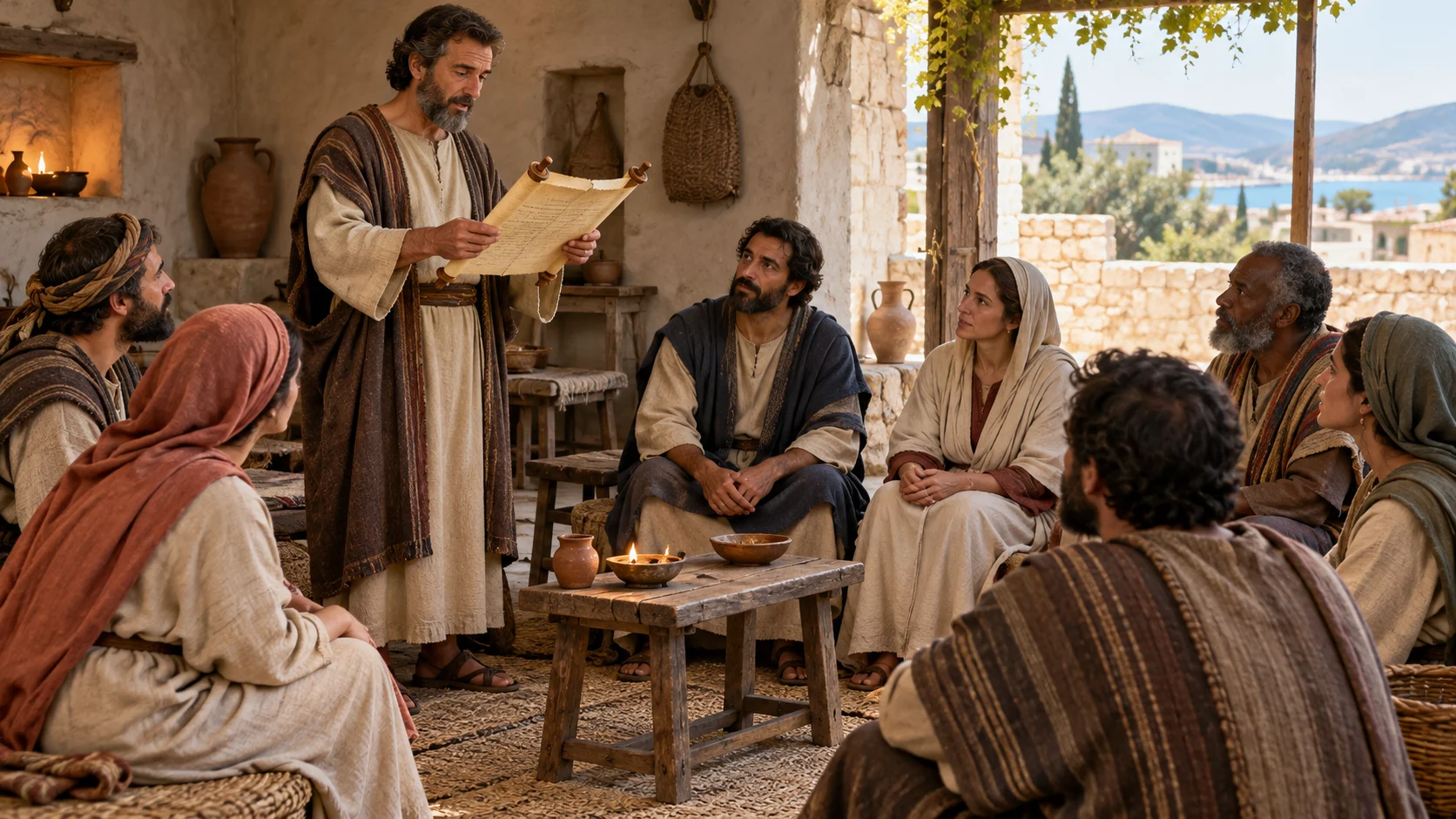
The blessing in verse 3 connects reading and hearing with keeping what is written. Understanding Revelation should affect how we live. Its warnings call for a response; its encouragement is meant to strengthen faithfulness.
As you read, ask more than, “Can I identify this image?” Ask, “What does this passage teach me about God, Christ, worship, or faithfulness? Is there a warning I need to take seriously? What response does the passage call for?”
Read Revelation 1 without a commentary first. Write down what it directly tells you about Jesus, John, and the churches. Make a separate list of your questions. Keeping observations and questions distinct will help you study with both confidence and humility.
You do not have to solve every difficult image before you can begin listening. Start with what is clear, return to the passage, and let its teaching shape your response to Christ.
Questions for reflection
- What does Revelation 1:1–2 say about the source and purpose of this message?
- Why should we consider the seven churches before applying the book to current events?
- How does Revelation 1:20 keep us from guessing at the meaning of the lampstands?
- What is the difference between a direct statement in the text and an inference we make?
- What would it mean for you to read, hear, and keep the message this week?