
An illustrated Bible study
What Does It Mean to Be Buried
with Christ in Baptism?
In this study
Paul uses striking language in Romans 6. He speaks of dying, being buried, and being raised, yet he is writing to people who are physically alive. What has happened to them, and why should it change the way they live?
His answer connects their baptism with Jesus’ death and resurrection. This passage teaches both the significance of coming into Christ and the responsibility of living as someone who belongs to Him.
Why Paul Brings Up Baptism
Read Romans 5:20–21; 6:1–2.
At the end of Romans 5, Paul describes the abundance of God’s grace in the face of sin. Then he raises a possible objection: should we continue in sin so that grace may increase?
His answer is an emphatic refusal. People who have died to sin cannot treat a life ruled by sin as the proper response to God’s mercy. Grace does not give us a reason to preserve the very slavery from which Christ frees us.
This question gives the discussion of baptism its setting. Paul is reminding Christians of what has happened to them in order to explain how they should now live. We should not separate the baptism verses from his concern about continuing in sin.
Baptized into His Death
Read Romans 6:3–4.
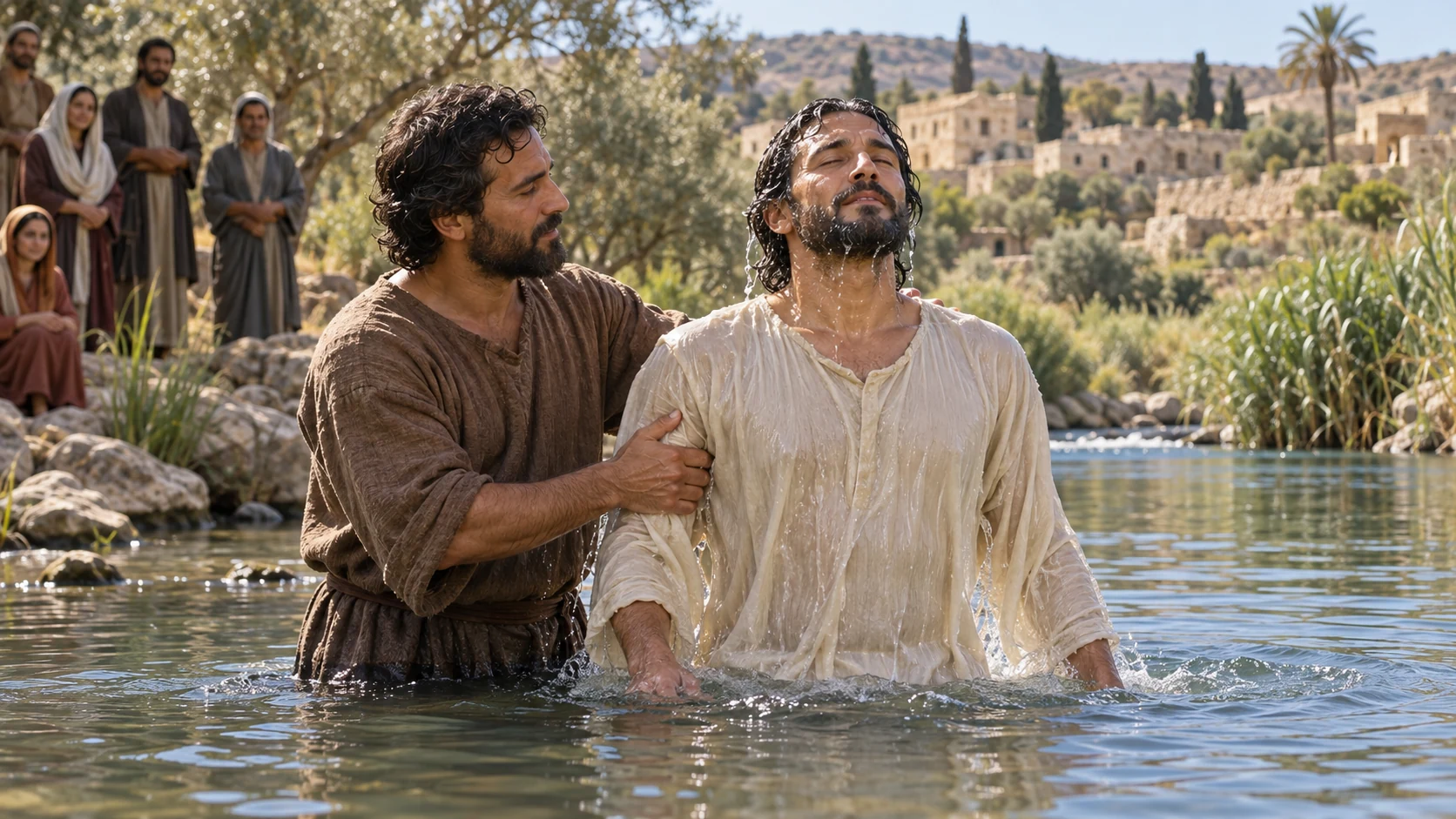
Romans 6:3–4 (NKJV): “Or do you not know that as many of us as were baptized into Christ Jesus were baptized into His death? Therefore we were buried with Him through baptism into death, that just as Christ was raised from the dead by the glory of the Father, even so we also should walk in newness of life.”
Paul connects baptism with Christ Himself and with His death. Jesus truly died for our sins, was buried, and rose again. We do not repeat His sacrifice or add something missing from it. We are brought into a relationship with the crucified and risen Lord.
The burial language fits baptism by immersion: a person is lowered into the water and raised from it. Yet Paul’s point reaches beyond the outward resemblance. He speaks of being buried with Christ and beginning a new life, not simply performing an interesting illustration.
Our hope rests in the Savior who died and rose, not in the water considered apart from Him. The action matters because of the Lord to whom it joins us and the promise we receive through faith.
Whose Power Makes New Life Possible?
Read Colossians 2:12–13; Acts 2:36–38.
Colossians describes believers as buried with Christ in baptism and raised with Him through faith in the working of God, who raised Jesus from the dead. It also speaks of God making them alive with Christ and forgiving their trespasses.
That passage keeps faith, baptism, and God’s power together. Baptism is not a payment that purchases forgiveness. Neither is it a magical use of water without trust in Christ. The believer depends on God to do what human effort cannot accomplish.
At Pentecost, those who heard Peter proclaim Jesus as Lord and Christ were told to repent and be baptized in Jesus’ name for the remission of sins, with the promise of the gift of the Holy Spirit. Repentance means turning from sin toward God. It is not a claim that we have already become morally perfect.
These passages explain why baptism belongs within our response to the gospel. We should neither remove it from that response nor treat it as a substitute for faith and repentance.
The Old Master Loses His Claim
Read Romans 6:5–11.
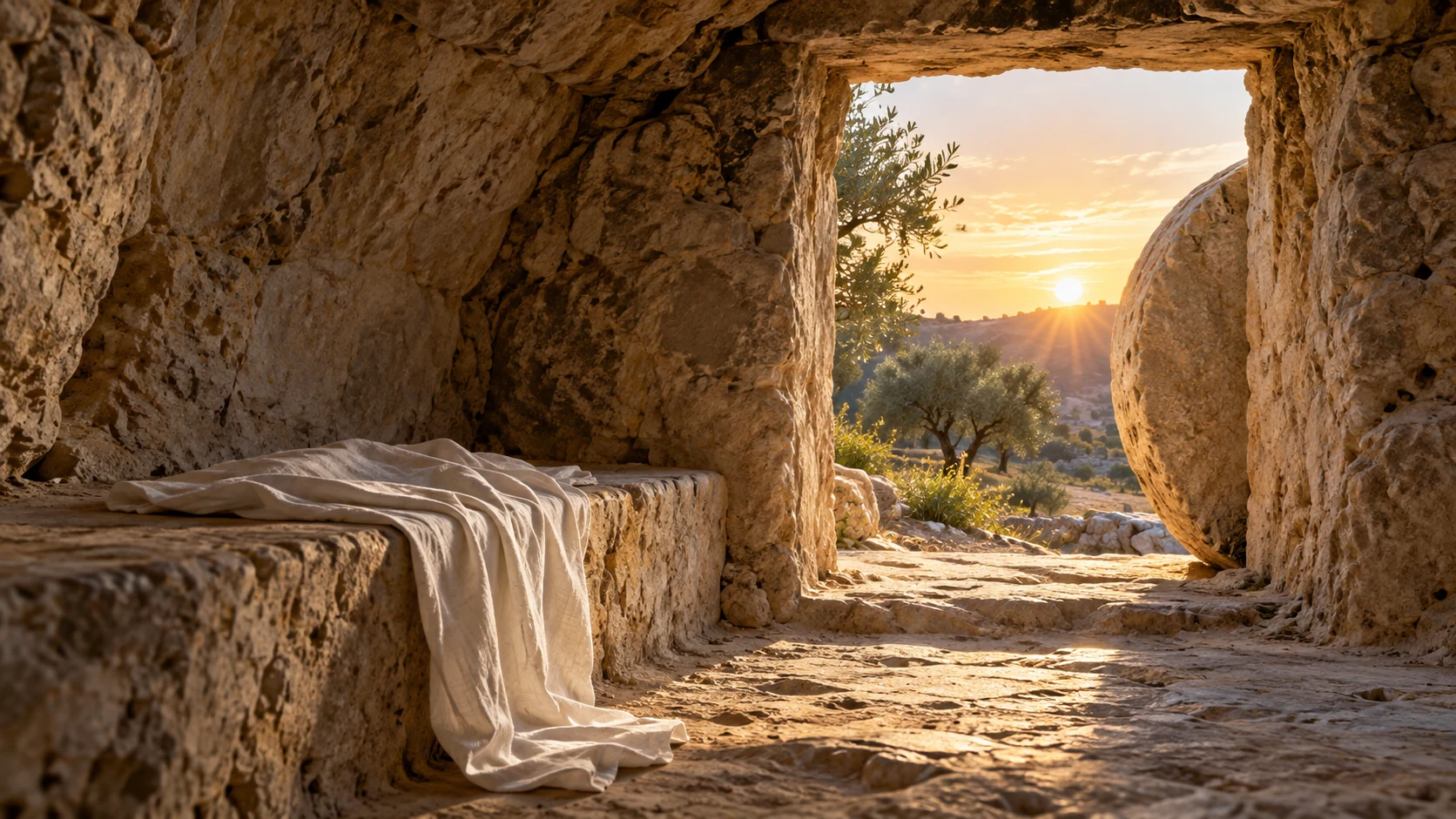
Paul explains that our old man was crucified with Christ so that we should no longer be slaves of sin. The old life under sin’s mastery is not supposed to retain its authority over a person who now belongs to the risen Lord.
Dying to sin does not mean that temptation disappears or that a Christian becomes incapable of wrongdoing. Paul’s commands in the following verses would make little sense if there were no continuing choices to make. The change concerns our relationship to sin and the master we serve.
Christ’s death was once for all, and death no longer has dominion over Him. Those who belong to Him have a new identity and the hope of life with Him. We are to regard ourselves as dead to sin and alive to God in Christ Jesus.
That is more than positive thinking. Paul asks Christians to recognize the reality of their relationship with Christ and live in keeping with it. The question becomes: does this choice fit the life of someone who now belongs to Him?
Walking in Newness of Life
Read Romans 6:12–14; Ephesians 4:25–32.
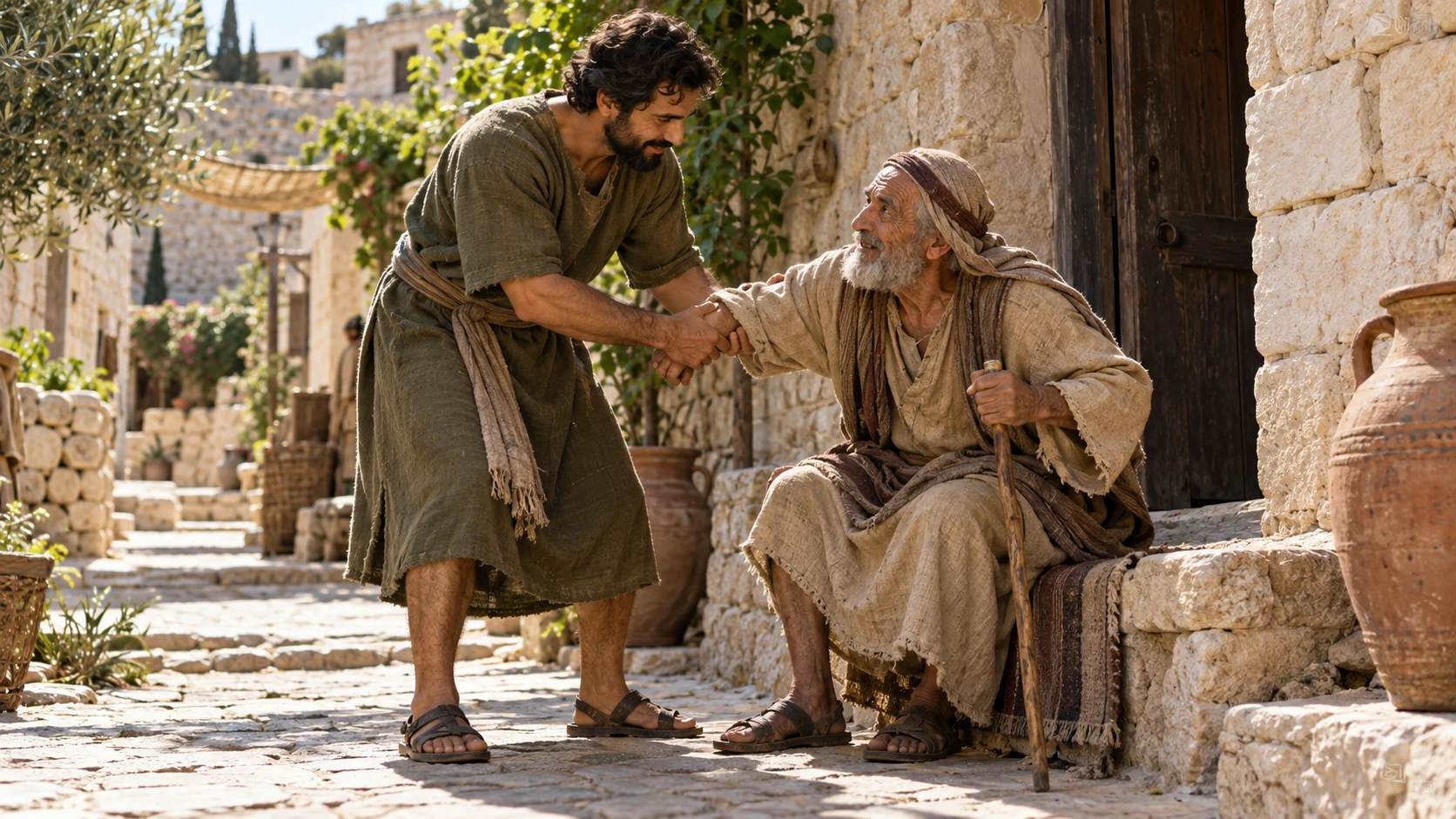
The new life has practical consequences. Paul tells believers not to let sin reign in their mortal bodies or offer their members as instruments of unrighteousness. Instead, they are to present themselves to God as people alive from the dead.
Our speech, hands, attention, and abilities can serve very different purposes. A mouth once used to deceive can tell the truth. Hands once used dishonestly can work and share. A person who held tightly to bitterness can learn to forgive. Ephesians 4 gives concrete examples of this changed direction.
Such changes are a response to God’s grace, not a replacement for it. Romans 6:14 places the Christian under grace rather than under law. In this passage, grace brings freedom from sin’s dominion and a reason to obey, not permission to ignore God’s will.
Choose one area in which an old habit is competing with your allegiance to Christ. What would it mean to offer that part of your life to God today? Be specific about the action you will stop and the faithful action you will practice instead.
A Beginning That Shapes the Whole Walk
Read Romans 6:4, 11–14; 1 John 1:7–9.
Baptism is not presented as the finish line of discipleship. Being raised to walk in newness of life points toward an ongoing life with Christ. Paul reminds baptized believers of their beginning because it should continue to shape their decisions.
When Christians sin, they should not excuse it as unimportant or pretend it has not happened. John calls believers to walk in the light and confess their sins, trusting God’s faithfulness to forgive and cleanse them. We continue to depend on Christ rather than return willingly to sin’s rule.
If you are studying baptism, read these passages together and consider the response they describe. If you have been baptized into Christ, let Paul’s words renew your understanding of the life you have been called to live. Burial with Him leads toward a walk directed by Him.
Questions for Reflection
- How does Paul’s question about continuing in sin help explain why he discusses baptism?
- What does Romans 6:3–4 connect with Christ’s death, burial, and resurrection?
- How does Colossians 2:12 keep our attention on faith and God’s power?
- What is the difference between freedom from sin’s mastery and freedom from all temptation?
- What specific part of your daily life can you present to God as an instrument of righteousness this week?
Images are AI-generated historical illustrations, not photographs of the events or verified portraits.
← All written Bible lessons